
Press

Dr. Vincent Minichiello of University of Wisconsin–Madison discussed the nuances and benefits of gentle exercise techniques.
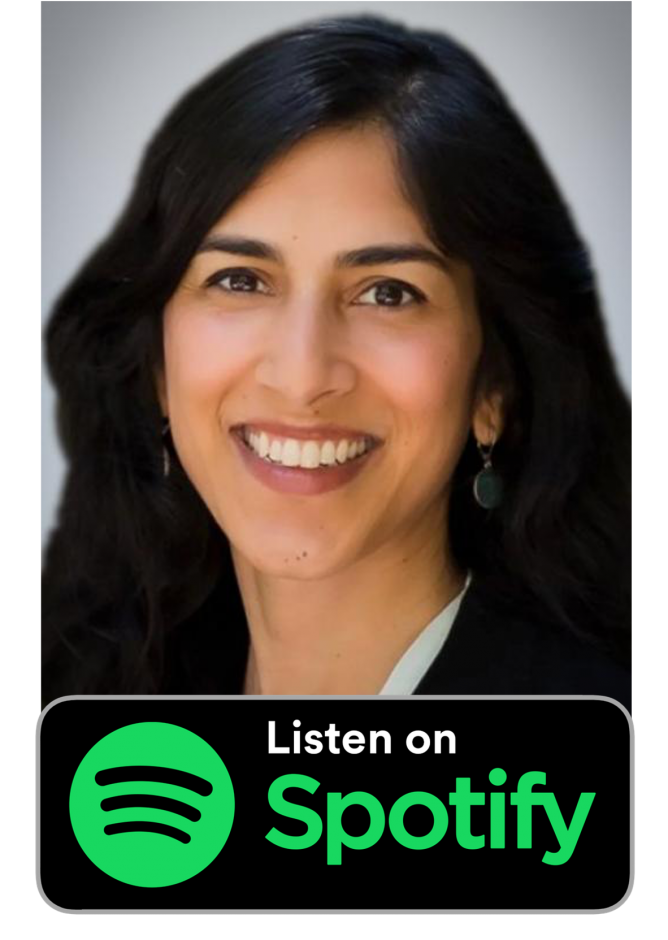
Dr. Kavita Mishra of UCSF was featured in this podcast episode to discuss how lifestyle changes can mitigate cancer risk and improve quality of life for cancer patients.

Dr. Vincint Minichiello of University of Wisconsin–Madison spoke of the benefits of gua sha—a technique of scraping a smooth-edged tool across a person’s lubricated skin until tiny red spots appear—in treating symptoms of chronic pain, headaches, and stress.
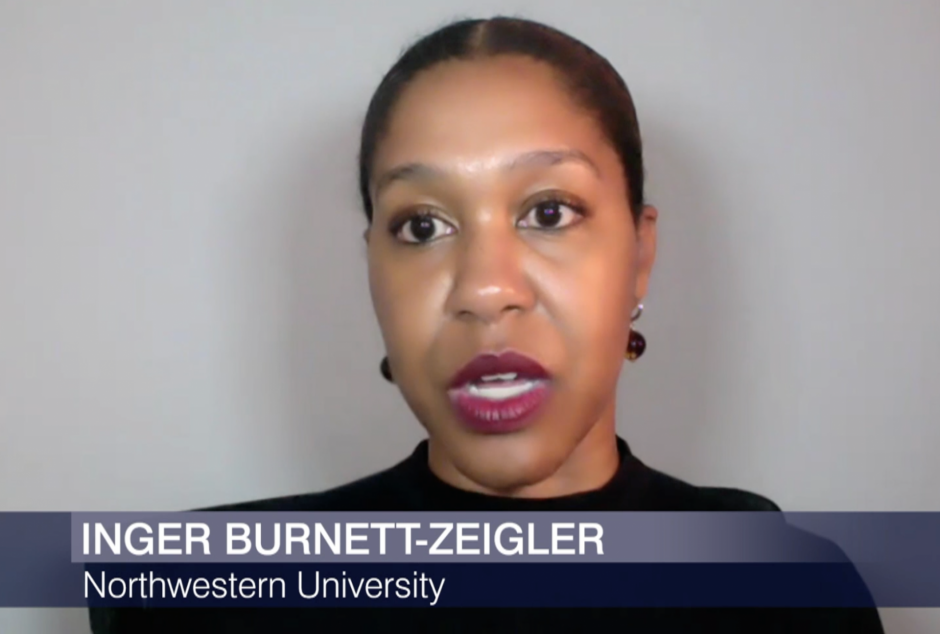
Dr. Inger Burnett-Ziegler of Northwestern University joined a panel that recommends screening adults for anxiety is important to help people realize they can get relief from their symptoms with treatment and live better day-to-day lives. Watch the segment here
Dr. Anisha Durve, an acupuncturist at the University of Miami, discussed how essential oils communicate with the limbic system to help regulate emotions.
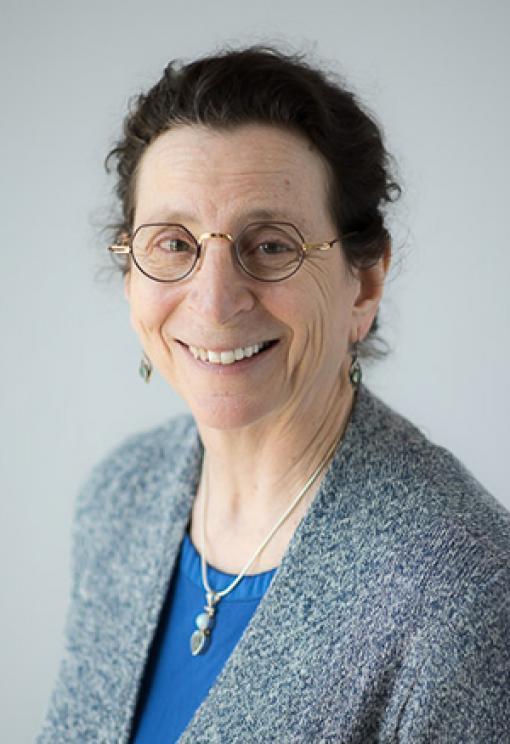
Marcia Degelman, a certified massage therapist at the UCSF Osher Center, discussed lymphatic drainage massage, a technique that uses lighter touch and pressure to help eliminate toxins and restore a healthy immune system.

Lead acupuncturist at University of Washington’s Osher Center, Marcia Tharp, discussed how her patients have found insomnia relief through her practice.

Dr. Melinda Ring of Northwestern discussed how sauna therapy can have positive impacts on mental and physical health.

Dr. Peter Wayne of Harvard, discussed the health benefits of Tai Chi for improving balance, strength, stamina, aerobic capacity, flexibility, and more.

Dr. Anand Dhruva of UCSF was interviewed to help inform a quiz in the New York Times about supplement use. According to Dr. Dhruva, getting vitamins from a well-balanced diet is best.
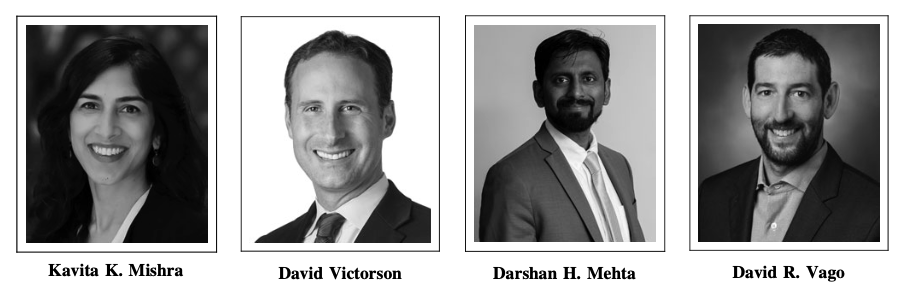
By Kavita K. Mishra, David Victorson, Darshan H. Mehta, and David R. Vago
Personalized medicine in cancer is an emerging approach to patient care in which certain individual characteristics are used to guide therapeutic decisions.1 Ultimately, the goal is to execute the right intervention for the right patient at the right time. In this era of personalized medicine, how does one effectively tailor the mind–body medicine (MBM) prescription for individuals with varied needs and circumstances who are on their cancer journey?
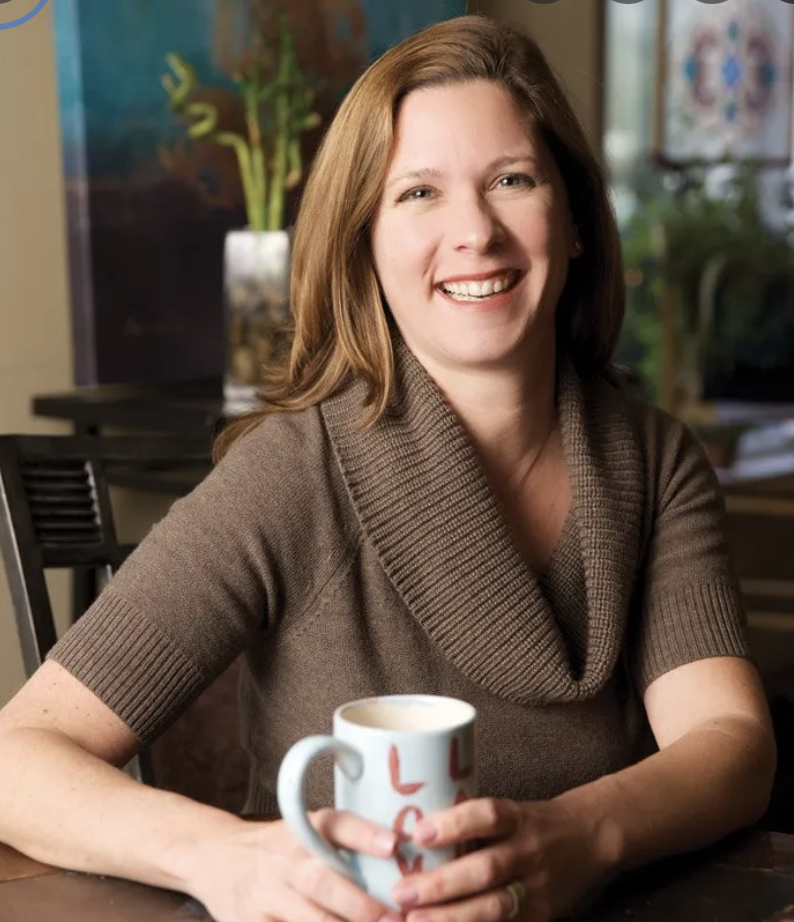
Dr. Sian Cotton of University of Cincinnati discussed strategies
to treat chronic pain such as mindfulness, acupuncture, and
yoga.
Listen to the podcast here

Dr. Lindsey McKernan of Vanderbilt University was quoted as an expert in an article about recent APA research that examines adult mental health during tumultuous current events.
In this podcast episode, Dr. Inger Burnett-Zeigler of Northwestern spoke about ways for Black women to recognize their unique trauma and seek emotional healing.
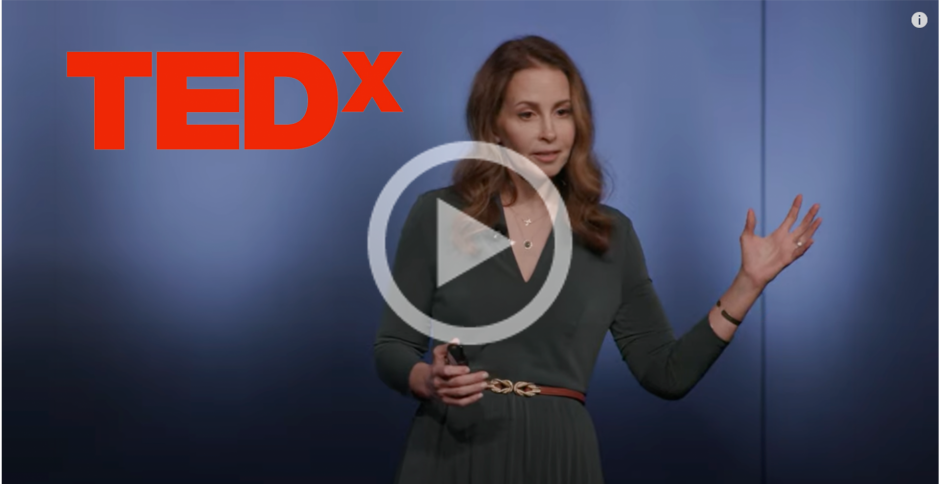
Dr. Melinda Ring, Director of Northwestern’s Osher Center, presented at TEDxChicago on the importance of plant-based nutritionology and being your own best, first, doctor.
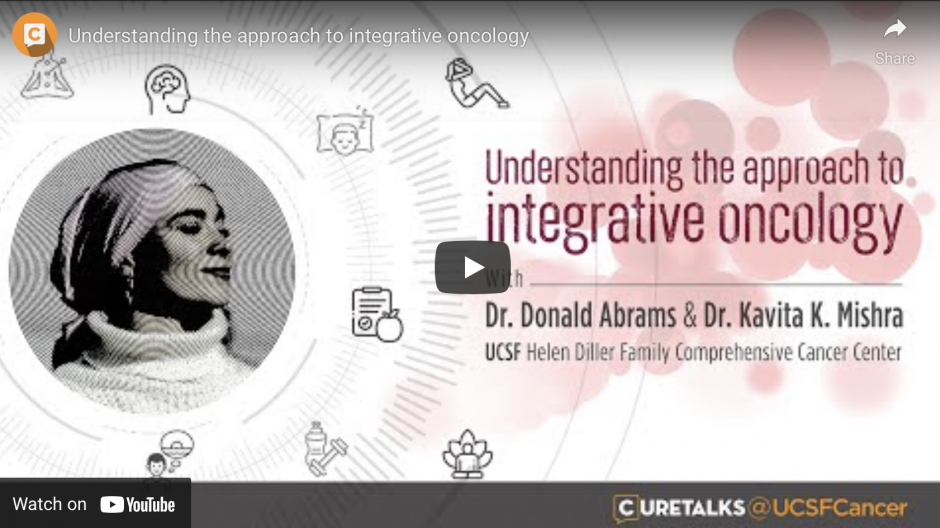
Dr. Donald Abrams and Dr. Kavita Mishra of UCSF were featured in a CureTalks podcast episode to discuss integrative oncology practices.
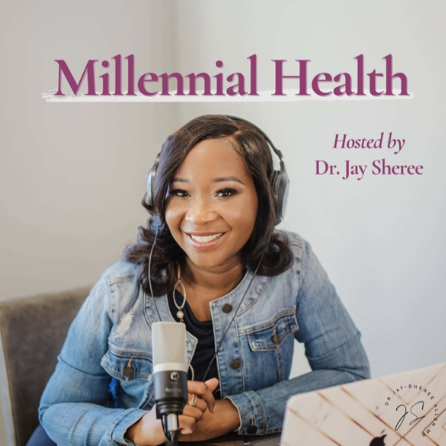
Dr. Anna Shannahan of Northwestern discussed evidence-based healing and wellness practices on a recent podcast episode of Millennial Health.

The University of Washington Osher Center has published the article “Complementary and Integrative Health Knowledge and Practice in Primary Care Settings: A Survey of Primary Care Providers in the Northwestern United States” in Global Advances in Health and Medicine. This was the first study funded by the UW Osher Center, which was established in 2018.
In this episode of the Mind & Life Podcast, Wendy Hasenkamp, PhD, speaks with Harvard Osher Center Director Peter Wayne about his work on mind-body and movement-based interventions like tai chi. Their conversation covers many topics, including:
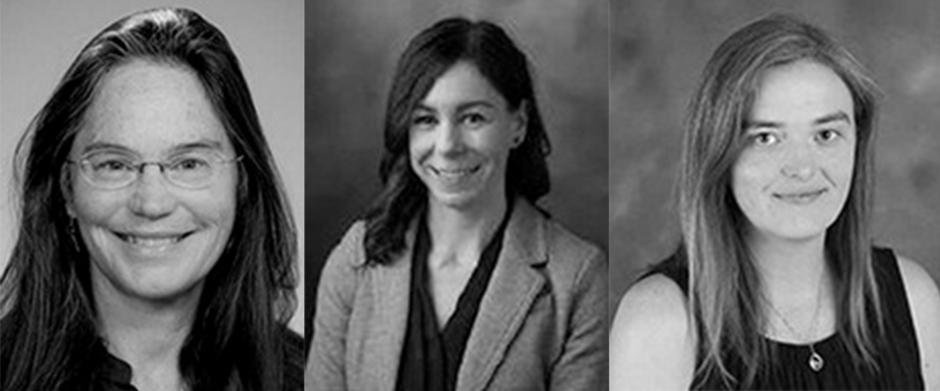
Osher Collaborative Forum: Outlooks, Opinions and Opportunities
By Kathryn A. Hansen, Elizabeth G. Walsh, and Cynthia Price
The Journal of Alternative and Complementary Medicine. 12 Feb 2021.