
News
UCSF’s Resource Allocation Program (RAP) provides intramural research funding opportunities for the UCSF campus, making application for intramural research funding efficient and accessible for all faculty and non-faculty applicants. The UCSF Osher Center for Integrative Medicine is sponsoring two of these grants, for integrative medicine research in the fields of cancer and dementia.
KALW Radio spoke with Dr. Sudha Prathikanti, who founded the Integrative Psychiatry program and Ayurveda consultation service at the UCSF Osher Center.

Click here to view the article.
As mindfulness grows in popularity as a treatment option for conditions ranging from anxiety to chronic pain, experts in integrative medicine at Vanderbilt are doing research to better quantify its effectiveness and setting standards for how it is administered.
Click here to view the article.
The Harvard Osher Center is pleased to announce its most recent cohort of Osher Research Pilot Awardees, benefiting from a total of $100,000 pilot funding between them:
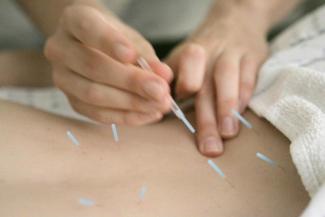
Click here to view the U.S. News & World Report article.
Over 30 percent of Americans use some form of non-conventional medicine, according to the National Center for Complementary and Integrative Health. If you’ve ever stretched out on a yoga mat or popped a probiotic, you may be part of the growing segment of the U.S. population that uses non-conventional therapies to treat medical problems.
By: Deepak Chopra, MD, William C Bushell, PhD, Ryan Castle, David Vago, PhD, Rudolph E. Tanzi, Ph.D.
The UCSF Osher Center’s Training in Research in Integrative Medicine (TRIM) is a research fellowship program funded by a T-32 Training Grant from NIH/NCCIH. They are requesting new applications for pre-doctoral and post-doctoral fellowship positions to begin July 2018*.
By: Deepak Chopra, MD, William C Bushell, PhD, Ryan Castle, David Vago, PhD, Peder S. Olofsson, MD, PhD, Mark Lambert
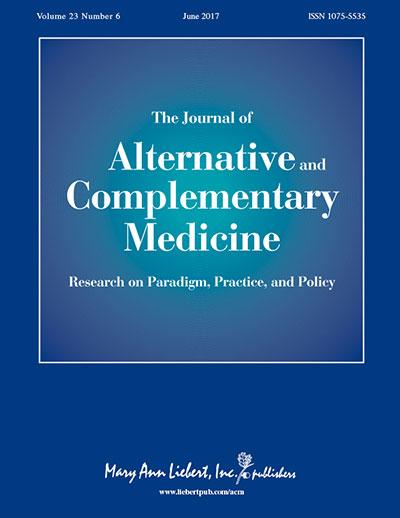 Osher Collaborative is pleased to announce a new quarterly editorial column beginning 2018 in The Journal of Alternative and Complementary Medicine (JACM).
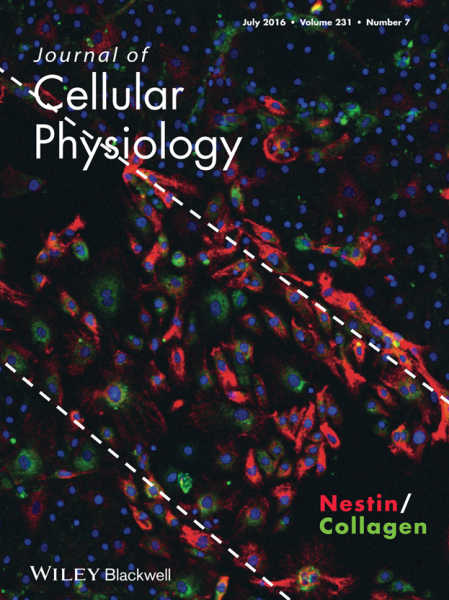
Earlier this month, Dr. Lisbeth Berrueta, Research Associate and laboratory manager for the Osher Center’s Connective Tissue Lab received the Musculoskeletal Research Center’s $500 Best Paper Award from Dr. Nancy Shadick, a co-chair of the BRI Musculoskeletal Research Center.
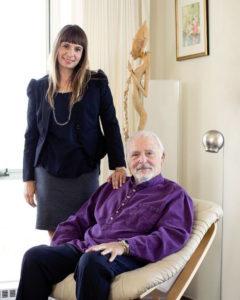
UCSF Osher Center research fellow Dr. Eve Ekman and her father, renowned research psychologist Dr. Paul Ekman are featured in a segment of the new documentary The Last Dalai Lama? which will be playing in Bay Area theaters starting July 7. The Drs.

Thanks to the extraordinary philanthropy of Bernard Osher, the University of Miami Leonard M. Miller School of Medicine will soon be one of a select few institutions offering a unique and comprehensive center for evidence-based, integrative medicine.

In psychology, feelings of oneness and self-loss are often described as symptoms of psychopathology, but might they also be associated with well-being? An interdisciplinary team of psychologists and neuroscientists thinks so. The group, including David Vago, the director of research at Vanderbilt’s Osher Center for Integrative Medicine, was put together by David Yaden, a research fellow in the Positive Psychology Center and Ph.D. student in the Department of Psychology in the School of Arts & Sciences.
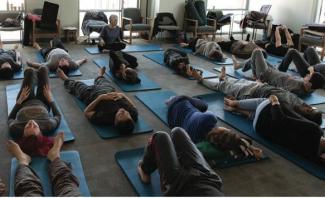
The New York Times highlights a new study by UCSF Osher Center members published in the journal BMC Pregnancy and Childbirth.
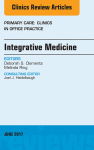
We are thrilled to announce publication of this new “Primary Care – Integrative Medicine” issue, authored by Osher Collaborative faculty members and providers.
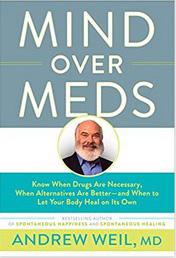
Osher Center medical director and neurodevelopmental pediatrician, Dr. Sanford Newmark, has written the chapter on Medications for Attention Deficit Hyperactivity Disorder (ADHD) in Dr. Andrew Weil’s new book, Mind Over Meds. The book includes 18 chapters, each on a different medical issue for which over-medication may be a problem, each penned by a different expert in the field.
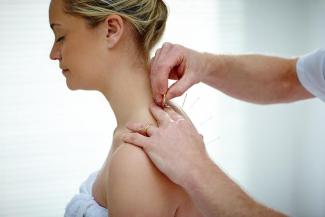
U.S. News & World Report: “Are you wondering if complementary therapies might be right for you? You’re certainly not alone. Up to 80 percent of people with a history of cancer use one or more complementary and integrative therapies while undergoing treatment.”
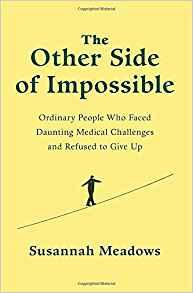
Osher Center neurodevelopmental pediatrician and Medical Director, Sanford Newmark, MD is one of the medical practitioners featured in the new book The Other Side of Impossible: Ordinary People Who Faced Daunting Medical Challenges and Refused to Give Up. The book, written by New York Times journalist Susannah Meadows, was released May 2, and is already the #1 book in the category of Healing on Amazon.

Conventional medicine has come a long way in the treatment of multiple sclerosis, yet many patients are also using therapies outside the mainstream to help them cope with symptoms of their disease.
David Victorson, PhD, Associate Professor of Medical Social at Northwestern Fineberg School of Medicine, was interviewed by Present Moment: Mindfulness Practice and Science in a dialogue about contemporary mindfulness programs, teachings, practice, and scientific study.